Preparing Australia’s sheep system for future climates
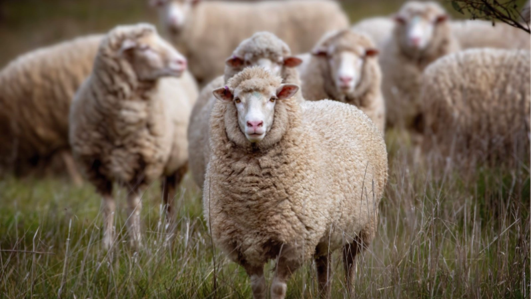
Researchers are exploring how genetics, pastures, animal performance and landscape management can help build more climate-resilient sheep production systems. Image: Adelaide University.
Australian sheep producers are no strangers to variable seasons, but increasing heat and drought pressure is placing even greater focus on how production systems can remain productive, resilient and sustainable over the long term.
A new national research project, Climate Resilient Sheep Systems, is bringing together genetics, pasture systems, animal performance and landscape management to investigate what a more climate-ready sheep enterprise could look like.
Led by Adelaide University and Murdoch University, the federally funded project will establish at least 26 on-farm trial sites across SA, WA and NSW and is expected to run until October 2030.
Looking at the whole production system
Rather than focusing on a single intervention, the project takes a whole-farm approach.
Research will examine a range of factors that can influence how sheep enterprises perform under hotter and drier conditions, including:
- sheep genetics
- drought-tolerant pastures, shrubs and trees
- soil and vegetation health
- animal behaviour
- reproductive performance
- livestock microclimates
- feed availability and utilisation.
Bringing these areas together recognises that climate resilience is not simply about how an individual animal copes with heat or drought.
It is also about the farming system surrounding that animal. The availability of feed, the condition of the landscape, access to shelter, reproductive performance and the ability of the business to respond to increasingly variable conditions.
Productivity and resilience go hand-in-hand
For sheep producers, resilience is closely linked to productivity.
Production systems that are better able to respond to seasonal variability can help protect animal performance, maintain ground cover, make better use of available rainfall and strengthen the long-term viability of the business.
That is important in lower-rainfall environments where the timing and availability of feed can have a significant impact on flock performance and profitability.
By trialling different approaches under commercial conditions, the Climate Resilient Sheep Systems project aims to identify practical strategies that producers can apply within their own businesses.
Supporting animal wellbeing in a changing climate
Climate adaptation also has important implications for animal wellbeing.
Heat stress, declining feed availability and changing seasonal conditions can affect all livestock performance and welfare.
The project’s focus on animal behaviour, genetics, reproduction and microclimates will help build a better understanding of how sheep can be managed in ways that support both productivity and wellbeing under more challenging conditions.
This is an important part of sustainable sheep production.
Building practical solutions for the future
The strength of the project lies in its practical focus.
With trials taking place across multiple regions and production environments, the research is designed to generate insights that can be tested and applied on-farm.
For Australian sheep producers, the goal is clear: build production systems that are better equipped to remain productive, resilient and sustainable through increasingly variable seasons.