Why global brands are looking back to the farm gate
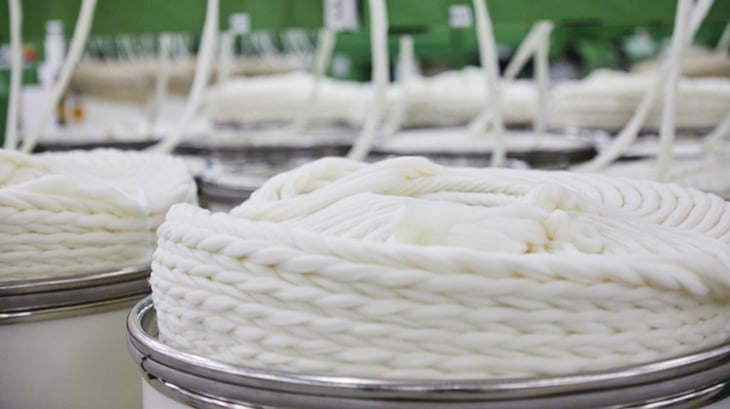
Global trends in traceability and sustainability are increasing demand for credible information about how wool is produced. Image supplied.
The way global fashion brands understand and manage their supply chains are changing. These shifts have implications that reach all the way back to Australian farms.
Major apparel businesses are investing heavily in technology that allows them to see further into increasingly complex global supply chains, driven by new regulation and growing expectations around sustainability, human rights and transparency.
Recent reporting by Business Insider highlights how brands including ASOS, H&M and Gap are using artificial intelligence and digital traceability platforms to better understand where products and materials come from, identify environmental and social risks, and collect the information needed to demonstrate compliance with emerging regulation.
In some cases, that visibility is already extending all the way back to the farm.
Regulation is driving greater transparency
One of the biggest drivers is Europe. Under the European Union's Ecodesign for Sustainable Products Regulation, Digital Product Passports (DPPs) are being progressively introduced for priority product groups, including textiles.
A DPP will provide a digital record connected to a physical product, potentially containing information about its materials, origin, environmental performance, repair, reuse and recycling.
The EU's Digital Product Passport Registry became operational in July 2026 and established some of the infrastructure that will underpin the system. Textile-specific requirements are expected to be adopted in late 2027.
The result is a fundamental shift in expectations. Sustainability information that may once have been communicated through voluntary commitments or corporate reporting is increasingly becoming structured supply chain data.
What does this mean for Australian wool?
For Australian wool, these changes may feel a long way removed from the farm gate, but global fashion supply chains ultimately begin with raw materials.
As brands develop greater visibility through their supply chains, the ability to demonstrate where wool came from and provide credible information about how it was produced is likely to become increasingly valuable.
This can include information relating to animal welfare and management practices, environmental performance, land management and other sustainability outcomes.
It also highlights an important distinction: making a sustainability claim is not necessarily enough. Customers and regulators want credible information and evidence to support it.
Australian wool is well positioned to support these claims.
Australia's opportunity
Australia already has a strong foundation to respond.
Through initiatives across traceability, assurance, declarations and industry sustainability reporting, the Australian sheep industry is building a clearer picture of how sheep meat and wool are produced and the progress being made across environmental, animal welfare, people and community, and economic outcomes.
The Sheep Sustainability Framework plays an important role in this landscape by independently tracking and transparently reporting the industry's performance against the sustainability issues that matter to stakeholders.
While the Framework is not a certification or farm-level assurance program, the industry-wide evidence it provides helps build confidence in Australian sheep production and demonstrates progress over time.
As individual supply chains seek increasingly detailed information, these different layers of transparency from farm-level data and declarations through to assurance programs and industry-wide reporting will all have a role to play.
Looking beyond our borders
The changes underway in Europe and the broader global fashion industry provide an important signal for Australia.
Our customers are investing in the ability to know more about their supply chains. Regulators are requiring more information. Technology is making it increasingly possible to trace products further towards their source.
For Australian sheep producers and the wider wool supply chain, this presents both a challenge and an opportunity.
The challenge is ensuring the information customers need can be provided credibly and efficiently without unnecessary duplication or burden on producers.
The opportunity is that greater transparency gives Australian wool another way to demonstrate its credentials in increasingly sustainability-conscious global markets.
Watching what our customers are doing today can help ensure Australian sheep production is ready for what they will require tomorrow.