Continuing to build momentum and impact in 2026
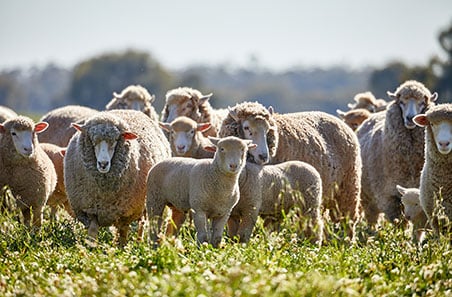
The Sheep Sustainability Framework (SSF) continues to build momentum in 2026, supported by refreshed leadership, strengthened delivery capability and a renewed focus on industry engagement. Here’s what to expect in the year ahead.
Acknowledging Scott Williams’ contribution as Chair
After serving as SSF Steering Group Chair since February 2022, following his appointment to the Group in late 2021, Scott Williams is retiring from the role.
Reflecting on his tenure, Scott identified the launch of the 2024 Annual Report in Adelaide alongside LambEx as a standout moment.
“As Jo Grainger from the Department of Agriculture spoke about the value of the Framework in free trade negotiations, I was seated with guests from New Zealand, Canada and the United States,” he said.
“They told me they wished they had a similar framework.”
Scott said this feedback reinforced the value the Australian sheepmeat and wool industries have built through the SSF.
He sees the Framework continuing to serve as the trusted reference point for sustainability information across the value chain.
“I hope the Framework is seen – if it is not already – as the go‑to source for anyone in the meat and wool value chains seeking sustainability information. The SSF will continue to shape understanding of the key ethical attributes of Australian sheep products.”
Scott also expressed appreciation for the collaborative approach underpinning the SSF.
“It has been a privilege and a huge learning experience. The sustainability domain is evolving rapidly, and Sheep Producers Australia, WoolProducers Australia, Meat & Livestock Australia (MLA) and Australian Wool Innovation (AWI) have shown strong commitment to ensuring the industry adapts to market and trading partner expectations.”
The SSF, along with all those involved, thanks Scott for his leadership, commitment and contribution to the Framework. 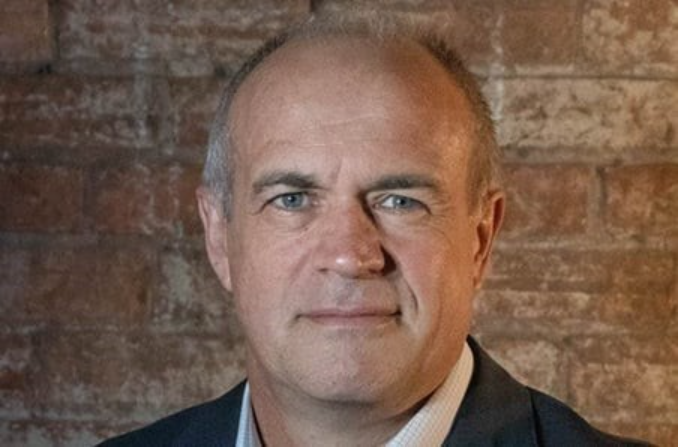
Caption: Scott Williams is retiring from role of SSF Chair.
Alister Hawksford appointed to lead framework delivery
Following Courtney Nelson’s change of focus within MLA’s sustainability group in mid‑2025, Alister Hawksford has taken on management of the SSF.
Alister grew up on a superfine wool property near Armidale and has long been fascinated by the interaction between land, climate and production systems. He studied climatology and environmental management, completing an honours thesis focused on developing a long‑range forecasting model for the Northern Tablelands.
After 11 years at the Bureau of Meteorology – working closely with the agriculture sector – Alister joined MLA as Program Manager – Sustainability Credentials.
“Helping bridge the gap between research, data and producer decision-making is something I’m really focused on,” he said.
For Alister, sustainability is about enabling growth while supporting people, communities and the environment.
“It’s about continuing to grow production and profitability while maintaining or enhancing the environment around us.”
Looking ahead, he hopes the SSF becomes the industry‑owned reference point for sustainability credentials.
“The Framework already contains the indicators and metrics the industry needs. Our focus now is encouraging broader industry alignment and adoption.”
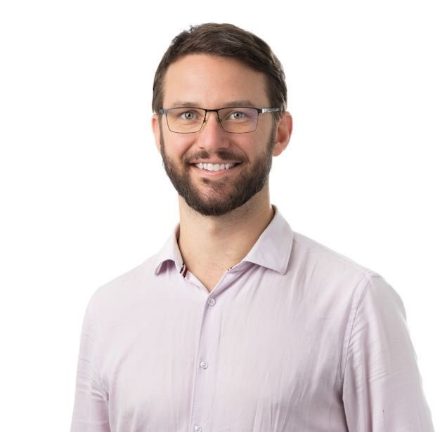
Caption: Alister Hawksford, MLA, Program Manager – Sustainability Credentials.
Strengthening delivery through new partnerships
Two new service providers joined the SSF in early 2026: Pinion Advisory and AgCentric, each supporting different aspects of Framework delivery.
Pinion Advisory
Pinion Advisory is supporting improvements to automated data collection and analysis, while maintaining data quality and transparency.
Sarah Castine, Consultant – Sustainability Strategy, said the focus for 2026 was on practical, achievable improvements.
“We’re aiming for low‑risk, high‑impact wins in process and systems, followed by blue‑sky recommendations for 2027 and beyond.”
Sarah will coordinate governance groups, other livestock frameworks, data providers and industry experts to ensure the 2026 Annual Report delivers clear insights on challenges and opportunities for the sheep industry.
“Livestock sustainability frameworks help industry and markets understand performance and where improvements can be made. Strengthening the efficiency and relevance of sustainability reporting supports investment in the right outcomes.”
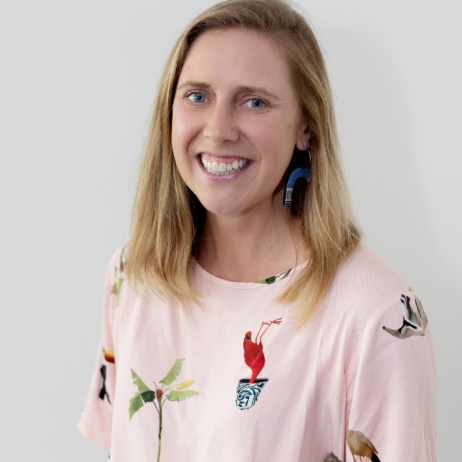
Caption: Sarah Castine, Pinion Advisory, Consultant – Sustainability Strategy.
AgCentric
AgCentric has been engaged to strengthen communications and operational efficiency across the SSF.
Founder and Director Madie Hamilton brings experience in producer representation, governance and sustainability communications.
“The SSF already has strong foundations,” Madie said.
“Our role is to ensure it’s communicated in a way that builds understanding and confidence across the supply chain.”
Madie emphasised the importance of relevance for both producers and markets.
“Sustainability reporting needs to resonate on‑farm as much as it does in market settings. Striking that balance is critical.”
Madie hopes to see increased utilisation of the Framework throughout the year.
“Success looks like the SSF being regularly referenced in conversations about industry performance – not just when reports are released.”

Caption: Madie Hamilton, AgCentric, Founder and Director.
How you can engage with the SSF and stay up to date:
What to keep an eye out forThe Steering Group will increase stakeholder engagement throughout this year, with consultation plans and events to be announced soon. Follow the Sheep Sustainability Framework on social media or subscribe to the enewsletter to stay informed. |