Grazing pressure key to protecting pasture productivity
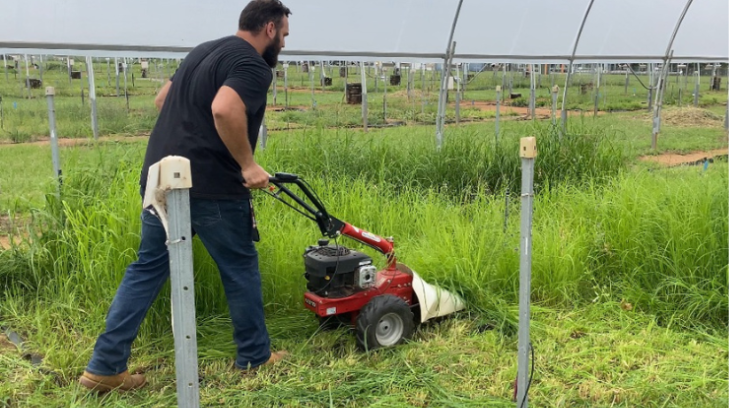
Caption: Replicate test plots were harvested at different times, to simulate differing grazing intensities. Image: Sally Power
An MLA-supported field experiment run over nearly two years by Western Sydney University has confirmed the importance of limiting grazing pressure during dry springs to ensure temperate perennial pastures can stay the distance. Part of the Climate Smart Forage Systems project, the Grazing for Climate Resilience project’s focus was on investigating the impact of contrasting rainfall regimens on seasonal pasture production and understanding how grazing pressure interacts with rainfall to modify productivity.
The perennial herb, plantain, with its deep tap root and large below-ground carbon stores was a standout performer – increasing its productivity in response to frequent grazing, even under low rainfall conditions, while legumes and grasses declined.
Closely aligned to the Sheep Sustainability Framework’s ‘Enhancing the environment’ pillar, the study contributes to the goal of promoting soil health and pasture management and increasing producers’ resilience to climate change.
Pasture tests
Researchers sowed replicate test plots with a mix of five perennial temperate pasture species, including two grasses (cocksfoot, prairie grass), two legumes (lucerne, sainfoin) and one herb (plantain). They were grown under dry (578 mm) or wet (1,080 mm) rainfall scenarios – based on historic site data – with low (~ every 12 weeks) and high (~ every four to six weeks) frequency biomass removal (via harvesting) to simulate different grazing intensities.
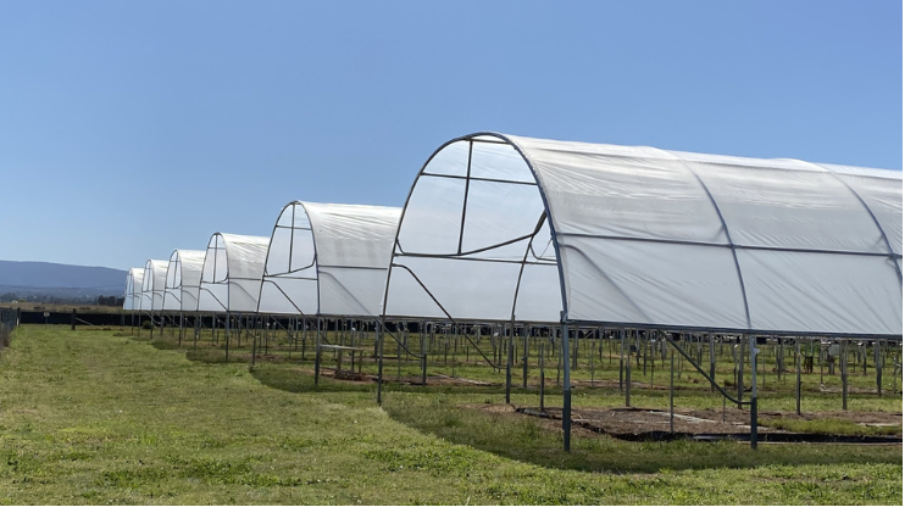
Caption: Western Sydney University’s Pastures and Climate Extremes (PACE) facility at Richmond, where the Grazing for Climate Resilience project was run. Image: Sally Power
Reduce grazing intensity in dry conditions
Professor Sally Power of the Hawkesbury Institute for the Environment at Western Sydney University, said the study showed that grazing more frequently reduced total biomass production by 28% over the study period, while low rainfall resulted in an overall productivity loss of 58%, relative to high rainfall. Effects were biggest in spring, with productivity declines of 51% under frequent grazing and up to 70% under reduced rainfall.
Reducing grazing intensity (stocking rates and/or time on pasture) during dry springtime conditions could be especially beneficial for the overall (year-round) productivity and persistence of pastures. This is especially relevant to legume growth, which was most strongly impacted by the combination of water stress and frequent defoliation. Plantain, however, was shown to be significantly less affected by high grazing pressure, even under low rainfall conditions, making it a valuable, resilient forage for producers across a range of climate conditions.
“Plantain fared well when plots were grazed frequently, as it has a deep tap root and large below-ground carbon stores that it uses to fuel its regrowth,” Sally said.
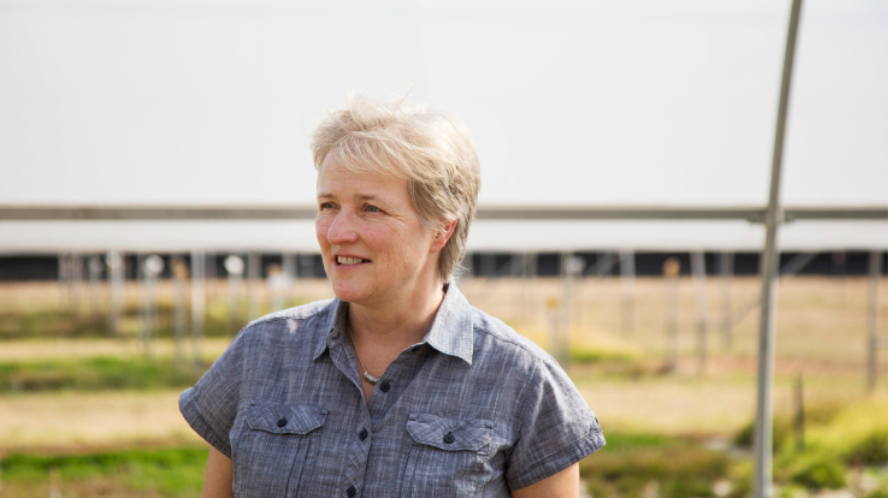
Caption: Professor Sally Power. Image: Sally Power
Grazing depletes carbon stores
Protecting those underground carbon stores is vital, as they act like energy banks that plants draw on to regrow after grazing.
“Grazing too frequently, especially during spring, can deplete these root carbohydrate stores, which we found to be a strong driver of post-harvest regrowth rates.
“So, to sustain productive and persistent pastures, it’s important to allow them time to replenish their below-ground carbon stores between grazing events,” Sally said.
A balancing act
There is, of course, a fine balance between providing grazing animals with forage, especially during spring, and the need for plants to fix enough carbon to allocate to the below-ground reservoirs that ensure pasture resilience. By understanding the role that the timing and intensity of grazing plays in pasture species’ ability to regrow under different rainfall scenarios, producers will be able to hone their grazing management to optimise their resilience to climate change.