Wool’s sustainability story: why the industry must keep telling it
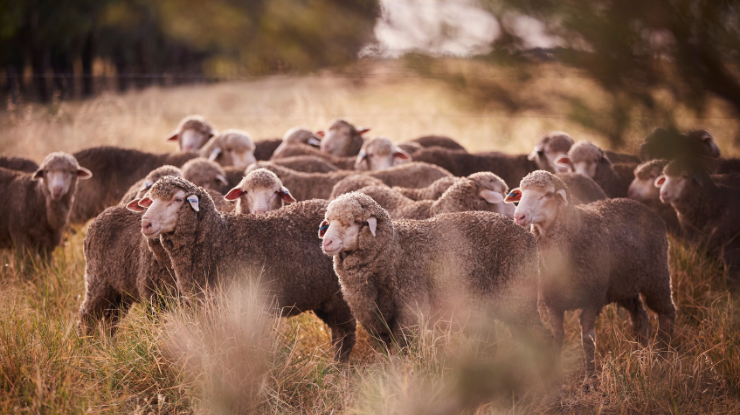
Caption: Image provided by Australian Wool Innovation (AWI).
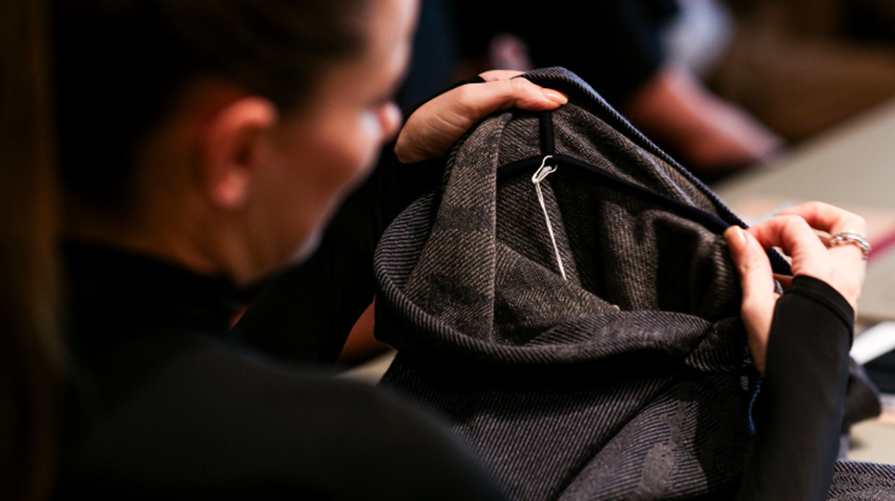
Caption: Image provided by Australian Wool Innovation (AWI).
Wool has long been recognised as one of nature’s most remarkable fibres. New data shows its environmental credentials are increasingly being recognised by consumers.
According to the 2025 Sheep Sustainability Framework (SSF) Annual Report, 40% of respondents believe wool is more environmentally friendly than other fibres. This strong foundation of consumer trust presents a valuable opportunity for the industry to further build awareness of wool’s sustainability credentials.
At its core, wool’s environmental story begins with the fibre itself. Unlike synthetic fibres derived from fossil fuels, wool is produced through a biological process. Studies show that at the end of its life, wool can break down naturally in both soil and marine environments.
These inherent characteristics are increasingly relevant as consumers and brands look for alternatives to petroleum-based textiles and contend with issues such as microplastic pollution.
Lisa Griplas from Woolmark says many consumers instinctively associate wool with sustainability, but the full picture is often more nuanced.
“There are definitely misconceptions around wool being resource-intensive or less sustainable than synthetic fibres,” she explained.
“The reality is that wool is a renewable protein fibre grown each year, while traditional synthetic fibres are derived from petrochemicals and can persist in the environment for decades. That distinction is often overlooked and simplified in sustainability comparisons.”
Beyond its natural origin, wool also offers performance benefits that contribute to more sustainable outcomes. Wool garments are known for longevity, breathability and temperature regulation, meaning they can be worn for longer and washed less frequently. According to a Woolmark global consumer survey conducted by IPSOS, pairing wool’s environmental credentials with performance benefits such as comfort, durability and thermoregulation strongly resonates with shoppers.
Longevity is a key part of wool’s sustainability profile. Unlike fast fashion garments, wool apparel is often kept and worn for many years, reducing the need for frequent replacement and lowering overall resource use.
"The consumer survey shows pure wool ranks among the top three most desirable fibres for apparel and sportswear,” Lisa said.
“That tells us that when consumers actively consider wool, it performs extremely strongly in terms of brand desire. Importantly, the Woolmark logo has very high global recognition, around 76% awareness, and more than half of surveyed consumers say Woolmark-labelled garments are worth paying more for. That trust equity is significant."
Sustainability in wool also extends beyond the fibre to the landscapes where sheep are raised. Well-managed grazing systems can support soil health, biodiversity and carbon outcomes while producing natural fibre and food.
Across Australia, sheep producers manage around 65.8 million hectares of land, playing an important role in maintaining productive agricultural landscapes.
The SSF plays a critical role in documenting the industry’s progress. By measuring and reporting key sustainability indicators across the sheep value chain, the framework helps shift conversations about sustainability from perception to proof.
Lisa said this type of data was becoming increasingly important for brands and retailers.
“The SSF helps move sustainability away from ideology and towards evidence,” she said.
“It demonstrates that sustainability is becoming a structural driver of market value, not just a marketing message.”
Importantly, communicating wool’s sustainability story is not the responsibility of any single organisation. From growers and processors to brands and retailers, every part of the supply chain plays a role in reinforcing the value of natural fibres.
For the wool industry, the challenge is clear: continue producing a fibre with strong environmental credentials while ensuring the story behind it is shared clearly and consistently with the consumers who ultimately choose what they wear.
With credible data, strong partnerships and ongoing engagement across the supply chain, the industry has a powerful opportunity to ensure more people recognise wool for what it truly is: one of nature’s most sustainable fibres.
What consumers value about wool
|
Learn more about wool’s sustainabilityWool fact sheets Global Wardrobe Study Wear Wool campaign Filter by Fabric initiative |